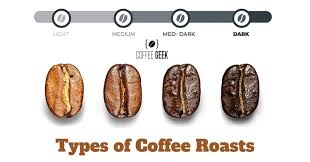
Roasting is where the magic truly happens in coffee production. As green coffee beans are exposed to heat, a series of complex chemical reactions occur, transforming them from their raw and grassy flavor to the rich brew we know and love. This process not only affects the color and texture of the beans but also unlocks the intricate flavors and aromas that define each roast.
Maillard Reactions in Coffee Roasting
One of the most important reactions during roasting is the Maillard reaction. This is a type of browning that occurs when sugars and amino acids interact under heat. The Maillard reaction is responsible for creating the golden brown color of roasted beans and producing a variety of flavor compounds that contribute to the sweet, nutty, and caramel-like notes in coffee.

The Maillard reaction in coffee roasting is incredibly dependent on temperature and time. The reaction begins to become significant at temperatures around 140C (284F). This is known as the drying stage of roasting. Then comes the first crack, and audible stage of the reaction which happens around 190-205C. Finally, in a chemical reaction known as Pyrolysis where the organic material is broken down at about 205-230C. As the temperature continues to increase and approaches 320F melanoidin forms, contributing to coffee’s color and texture.