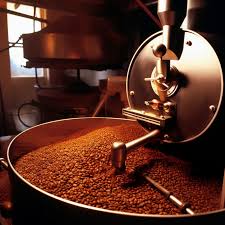
Once our coffee plant has been fully grown, and the coffee cherries are harvested, it is time for the next pivotal stage to transform the fruit into our favorite warm beverage. This is the processing and roasting stage. These processes not only affect the final flavor but also influence the aroma, acidity, and even the caffeine content of your brew.
During processing, whether wet, dry, or honey methods, all affect the compounds preserved in the beans. Roasting, on the other hand, brings these components to the coffee beans we know and love.
Processing
Now, it would require a much larger dissertation and study to dissect all the ways different processing methods subtly affect the flavors and aromas of a coffee bean. During my Coffee Mastertm training, this section was an entire college-level course. Instead of going through all of that here, this section will focus on a broader understanding of the processing methods of coffee and then we will dive deeper into the chemistry of the roast. There are three main methods of processing coffee beans.

Natural Processing (Dry)
This is the oldest and most traditional method of processing. Harvested coffee cherries are sorted and then cleaned. Next, the whole cherries are spread out to dry in the sun for 3-6 weeks. To ensure that the cherries are evenly dry the fruit is regularly flipped. Finally, once dry the outer layers of the cherry are removed by hulling machines, leaving an unroasted bean.
Washed Processing (Wet)
This is the most common and popular method in the modern coffee industry. Harvested cherries are sorted into large tanks of water and then run through a depulper machine to remove pulp within 24 hours of harvest. The remains of that process are then run through controlled fermentation, then washed and dried.
Honey Processing (Natural)
This is my favorite processing method of the coffee bean, which is a hybrid between the wet and dry processes. First, the outer layer of the cherry is removed. However, this time, unlike the washed method the mucilage is left on the bean during drying, which allows for only a partial fermentation.